
Automate Medical Document Processing with Precision
Extract data from prescriptions, lab reports, and insurance forms, with unclear fields flagged for review. HIPAA-eligible with a BAA, and results come back in seconds, not hours.
Extracted Medical Data
Extraction statusDocument Types Supported
Our medical OCR technology supports a wide range of healthcare documents with specialized extraction for each type.
Critical Data Extracted
Key medical fields come back as structured data. Handwriting is the hard case: our 2026 benchmark measured 78% on handwritten forms, so handwritten fields are flagged for review.
Field Categories
JSON Output Example
{
  "document_type": "prescription",
  "patient": {
    "name": "John Smith",
    "dob": "1975-08-12",
    "mrn": "MRN12345678"
  },
  "medication": {
    "name": "Lisinopril",
    "strength": "10mg",
    "form": "tablet",
    "sig": "Take 1 tablet by mouth once daily",
    "quantity": "30",
    "refills": "3"
  },
  "prescriber": {
    "name": "Dr. Sarah Johnson",
    "npi": "1234567890",
    "dea": "XJ1234567"
  },
  "dates": {
    "written": "2023-06-15",
    "effective": "2023-06-15",
    "expiration": "2024-06-15"
  },
  "pharmacy": {
    "name": "HealthPlus Pharmacy",
    "address": "123 Main St, Anytown, US 12345"
  },
  "confidence_score": 0.98
}
Structured data output enables seamless integration with EHR systems, pharmacy management software, and billing platforms.
How It Works
Our end-to-end process transforms medical documents into structured, actionable data in seconds.
Step 1: Secure Upload or API Ingestion
Submit documents via secure web portal or direct API integration. Supports PDFs, images, and scanned documents with end-to-end encryption.
Step 2: AI Extraction of Handwritten and Printed Text
Our specialized medical OCR engine processes both typed and handwritten text, recognizing medical terminology and specialized notation.
Step 3: Data Validation & Error Correction Interface
Optional human-in-the-loop validation for critical fields. AI-powered suggestions help resolve low-confidence extractions quickly.
Step 4: Integration with EHR and Billing Systems
Structured data is delivered to your systems via API, FHIR integration, or direct database connection. Compatible with all major EHR platforms.
Clinical & Operational Benefits
Transform your healthcare operations with automated document processing that improves accuracy, speed, and patient care.
Fewer Transcription Errors
Fields are read the same way every time, and unclear ones are flagged for review instead of guessed, which matters when a misread dosage or member ID has real consequences.
Data Available Sooner
Pages are processed at about 1.1 seconds each in our 2026 benchmark, so data no longer waits in a queue for someone to key it in.
Accelerate Claims Approval Cycles
Faster, more accurate insurance form processing leads to quicker approvals and reduced denial rates.
Improving Patient Outcomes and Provider Efficiency
By automating document processing, healthcare providers can focus more on patient care and less on paperwork. Faster access to accurate medical information leads to better clinical decisions, reduced medication errors, and improved care coordination across departments. Staff previously dedicated to manual data entry can be reallocated to higher-value patient care activities, improving both operational efficiency and job satisfaction.
Privacy & Security
We prioritize the security and privacy of sensitive medical information with enterprise-grade protections.
HIPAA Compliance
End-to-end compliance with all HIPAA requirements for PHI handling, storage, and transmission.
Data Encryption
AES-256 encryption for data at rest and TLS 1.3 for data in transit. Zero-knowledge architecture available.
Audit Logs
Comprehensive audit trails for all document access, processing, and user interactions.
Data Retention Controls
Configurable retention policies with automatic purging to meet compliance requirements.
Our Commitment to Data Security
DocsAPI's medical document OCR platform is built with security as a foundational principle. Our infrastructure undergoes regular penetration testing and security audits to ensure the highest level of protection for sensitive patient information.
DocsAPI is HIPAA-eligible with a BAA, and SOC 2 Type II and ISO 27001 certified. Customer documents are not used to train models, and documents and extracted data are kept only for a short, configurable retention period and then deleted.
Healthcare Document Processing Guides
How document intelligence applies to claims, coding, compliance, and revenue cycle workflows.
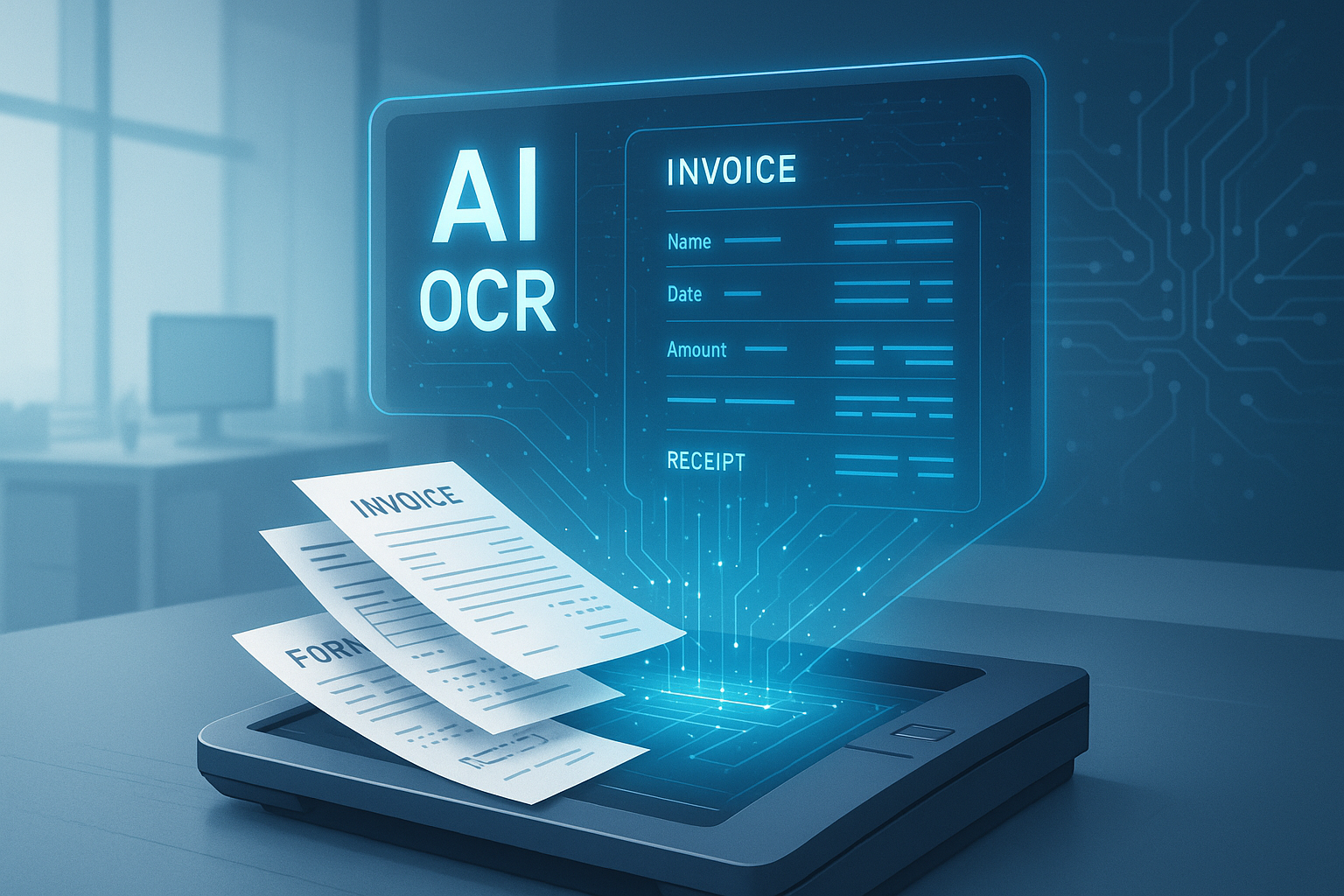
OCR for Healthcare: Medical Documents, Accuracy, HIPAA
What OCR can read in medical records, insurance cards, prescriptions, lab reports and claims, how accurate it is, and what decides whether it is HIPAA safe.

Denial Code Extraction: Why CARC and RARC Must Pair Up
The same CARC code can mean two opposite required actions. Here is the real structural reason automated appeals need both codes read together.
Insurance Card OCR: Why Payer ID Beats Plan Name
No insurance card follows a standard layout. The field that actually routes a claim is payer ID, not the plan name printed in bold across the front.
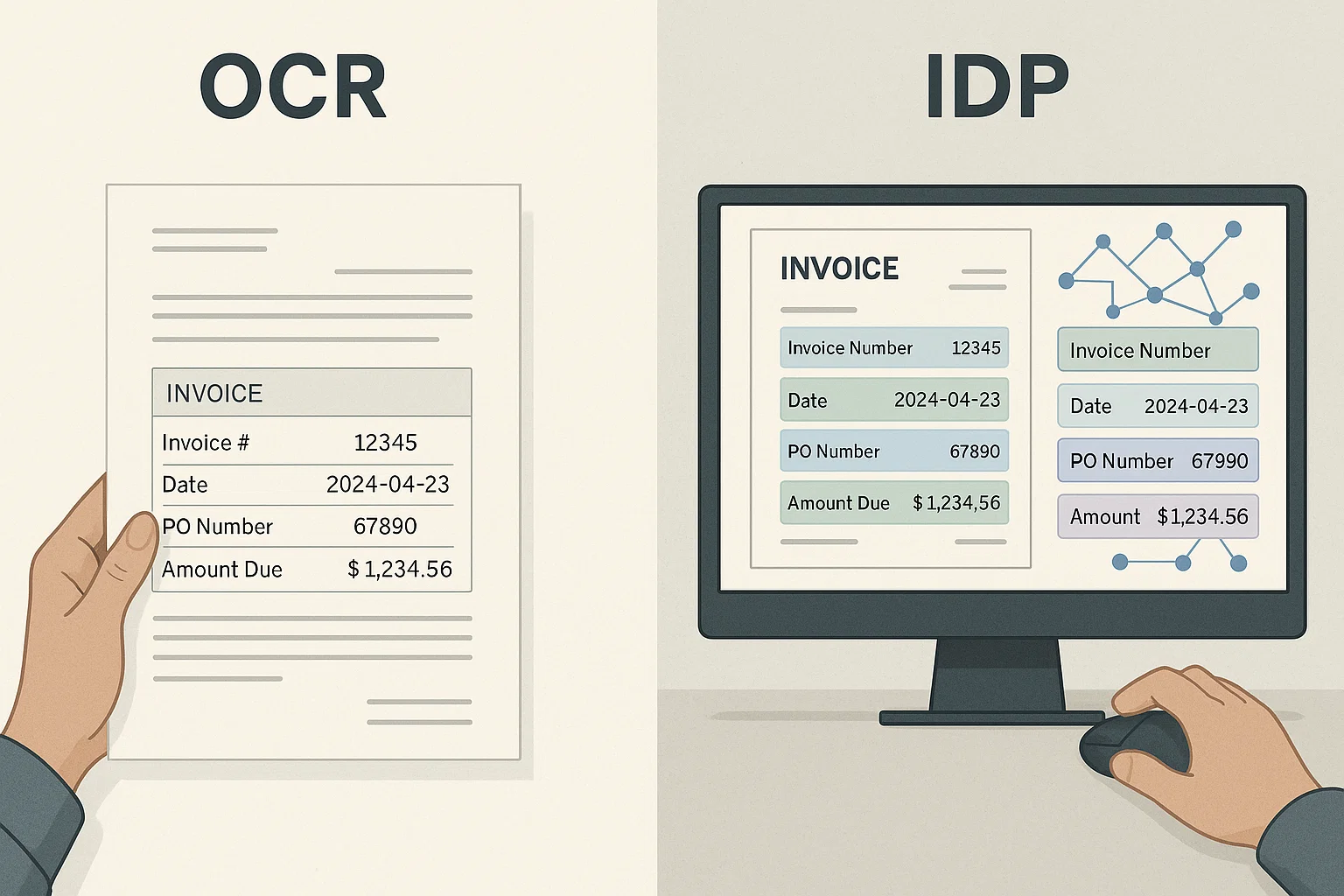
Medical Fax Automation: Why Referrals Still Run on Fax
A perfectly legible referral fax is still a worse OCR source than a phone photo. Here is the resolution math and the real adoption numbers behind it.
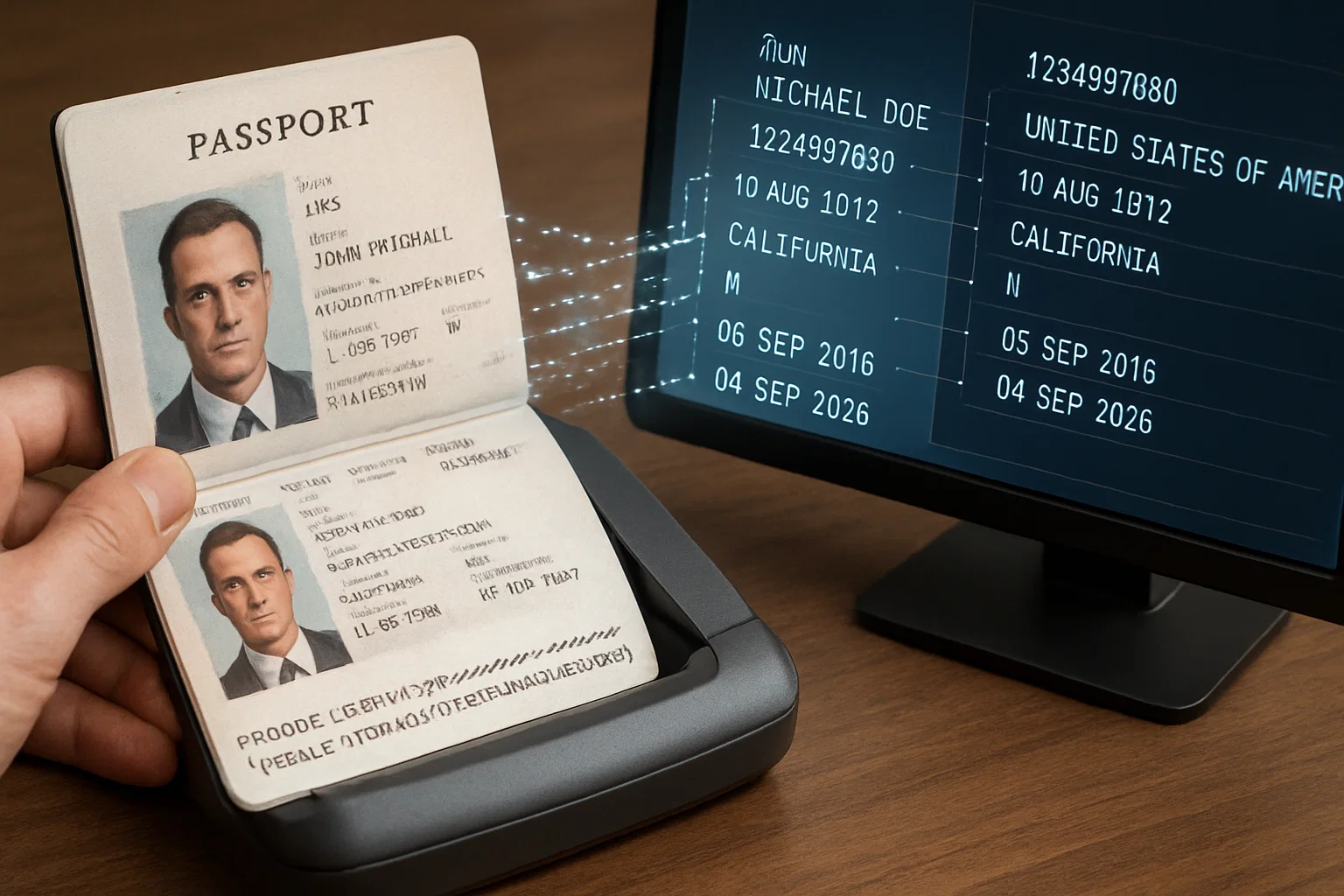
LOINC Code Extraction: Why Local Lab Codes Don't Map Cleanly
A LOINC code identifies what a lab test measures, not the result value, and mapping a lab's own internal codes onto it is harder than it looks.
Advance Beneficiary Notice Processing: The Liability Gap
One blank field on Form CMS-R-131 can void the whole notice, and the practice, not the patient, ends up absorbing the denied claim.
Frequently Asked Questions
Get answers to common questions about our medical document OCR technology.
Streamline Medical Data Capture Today
Join leading healthcare organizations in transforming document processing with AI-powered OCR technology.