
Transform Legal Documents into Structured Data Instantly
Automatically extract clauses, key dates, and confidential information from contracts, NDAs, and litigation bundles, with low-confidence clauses flagged for review. Speed up legal review without handing judgment to a machine.
Document Types Supported
Our OCR technology is optimized for a wide range of legal documents with specialized extraction models for each type.
Contracts
Extract key clauses, parties, dates, and obligations from service agreements, employment contracts, and vendor agreements.
View Details →NDAs
Automatically identify confidentiality terms, restricted information, duration periods, and jurisdictional clauses from non-disclosure agreements.
View Details →Litigation Bundles
Process multi-document legal bundles, extracting case references, exhibit numbers, testimony highlights, and cross-referenced evidence.
View Details →Key Fields Extracted
Our AI-powered OCR extracts and structures the most critical information from your legal documents.
Clauses
Automatically identifies and categorizes contract clauses (termination, indemnity, force majeure, etc.)
Renewal Dates
Extracts key dates including execution, effective, renewal, and termination dates
Parties
Identifies all parties to the agreement, including signatories and referenced third parties
Signature Dates
Captures signature dates and verification of execution completeness
Confidential Information
Identifies and can redact sensitive information based on configurable rules
Example JSON Output
{
  "document_type": "contract",
  "parties": [
    {"name": "Acme Corp", "role": "service_provider"},
    {"name": "XYZ Inc", "role": "client"}
  ],
  "dates": {
    "execution_date": "2023-05-15",
    "effective_date": "2023-06-01",
    "termination_date": "2024-05-31"
  },
  "clauses": [
    {
      "type": "termination",
      "text": "This Agreement may be terminated by...",
      "page": 4,
      "confidence": 0.97
    },
    {
      "type": "confidentiality",
      "text": "Each party agrees to maintain...",
      "page": 2,
      "confidence": 0.98
    }
  ],
  "signatures": [
    {"party": "Acme Corp", "signatory": "John Smith", "date": "2023-05-15"},
    {"party": "XYZ Inc", "signatory": "Jane Doe", "date": "2023-05-14"}
  ]
}
How It Works
Our streamlined process transforms complex legal documents into structured, actionable data in four simple steps.
Step 1: Upload or API Call
Submit PDF or scanned documents through our secure portal or API. Supports batch processing for multiple files.
Step 2: AI-Powered Extraction
Our specialized legal AI identifies and extracts clauses, dates, parties, and other key information with high precision.
Step 3: Human-in-the-Loop Validation
Optional review interface allows legal professionals to verify and correct extracted information when needed.
Step 4: Export Structured Data
Export results to your contract management system, e-signature platform, or download as structured JSON/CSV.
Where Legal Teams Get Time Back
Time saved depends on your contract volume. These are the changes in the work.
Clauses You Can Search
Extracted clauses arrive as structured data, so your contract system can search them by type instead of someone reading page by page
Earlier Renewal Alerts
Renewal, notice and expiry dates come out as fields your calendar or contract system can alert on
Review Where It Matters
Low-confidence clauses are flagged for a reviewer, so people check the uncertain parts instead of every page
Risk Reduction & Contract Compliance
A missed renewal date or an unnoticed liability cap usually comes from a contract nobody had time to read closely. Extraction reads every contract the same way and puts the dates into a system that can alert on them. A reviewer still confirms the clauses that carry real risk.
Security & Compliance
Enterprise-grade security and compliance features to protect your most sensitive legal documents.
PII Redaction
Automatically identify and redact personally identifiable information based on configurable rules
GDPR & HIPAA Compliance
Built-in compliance controls for handling sensitive data in accordance with major regulations
Secure Audit Trails
Comprehensive logging of all document access, processing, and modifications for compliance purposes
Data Security Commitment
DocsAPI is SOC 2 Type II and ISO 27001 certified. Customer documents are not used to train models, and documents and extracted data are kept only for a short, configurable retention period and then deleted. DocsAPI runs as a cloud API; if your contracts must stay inside your own environment, raise it in the demo.
Legal Document Processing Guides
How document intelligence applies to contracts, litigation, and compliance workflows.

OCR for Legal Documents: What It Extracts and Where It Fails
A plain guide to what OCR pulls from contracts, court documents, deeds, title work, notary records and immigration forms, the trap in each, and what OCR never decides.

Legal Deadline Extraction: Why Tolling Breaks Date Math
A four year deadline calculated from a default date can be off by months. Here is why tolling rules break simple date arithmetic, with a worked example.
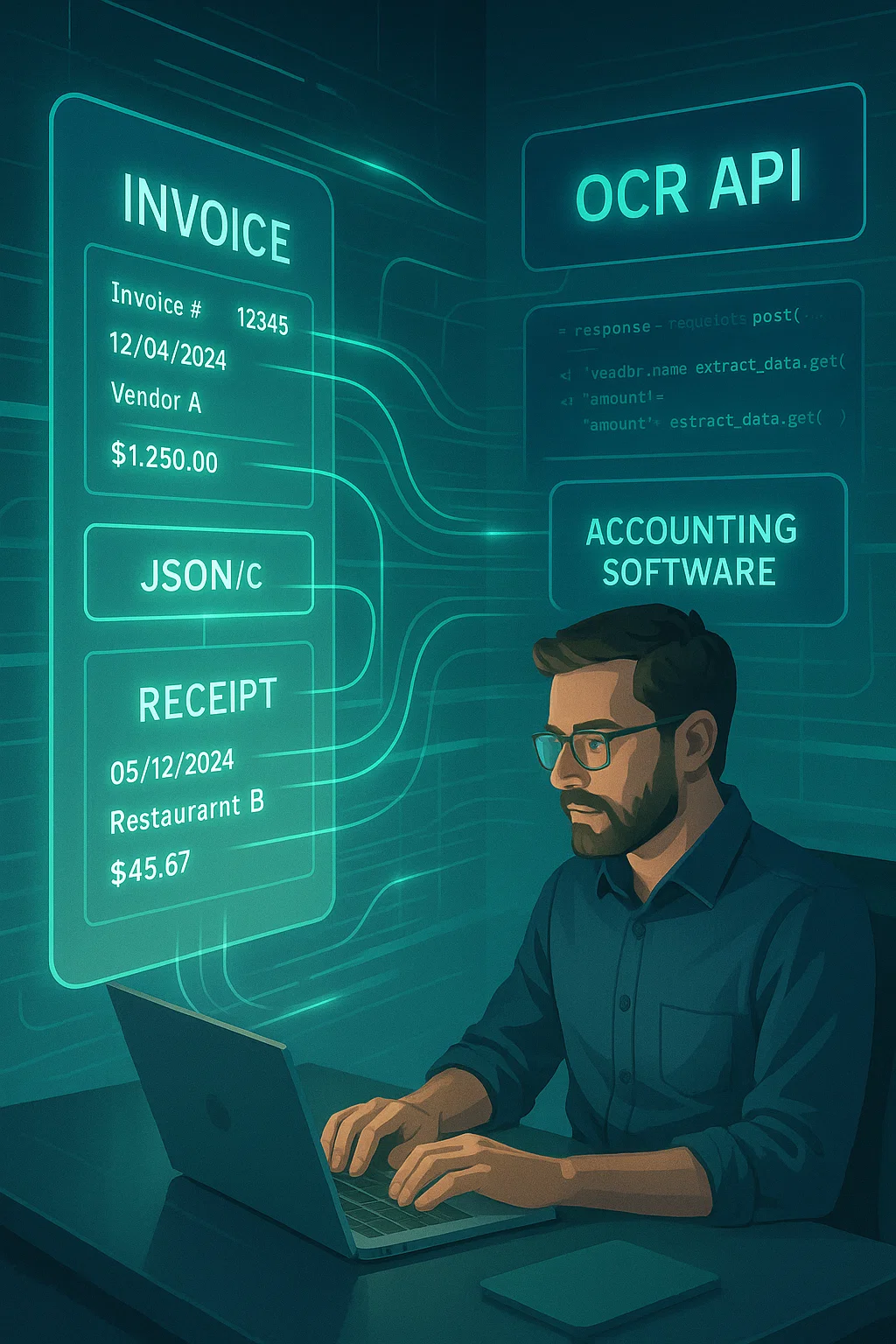
Legal Document Translation OCR: The Governing-Language Trap
A translated contract carries no legal force by itself. One mistranslated word once put a real cross-border dispute in the wrong country's courts.
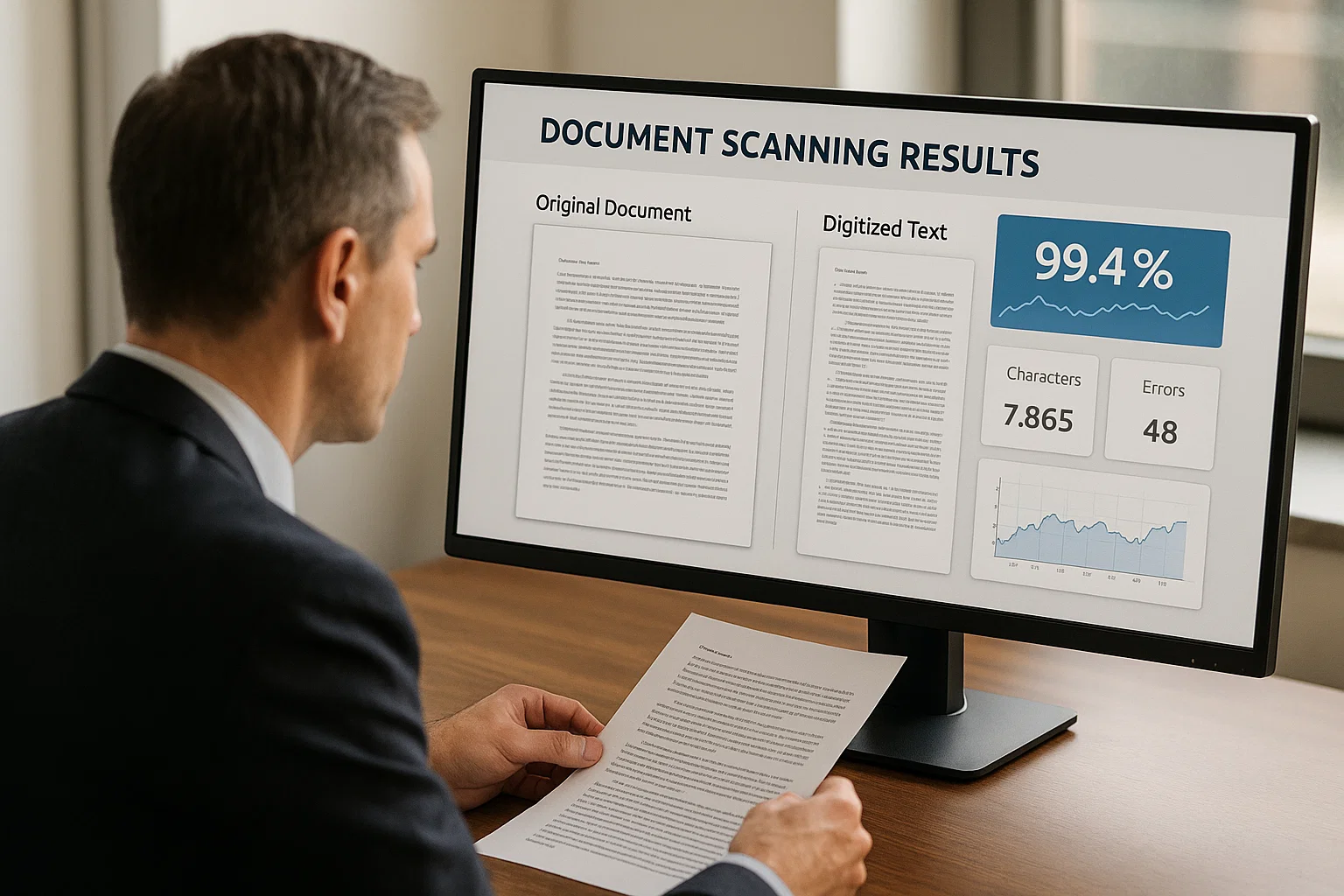
Title Document OCR: Reconciling Title Exceptions to Deeds
Title document OCR is not lender-side mortgage extraction. It means reconciling exceptions against the recorded chain of title, not just reading text.
Legal Hold Custodian Tracking: Sent Isn't Confirmed
A sent hold notice and a confirmed hold are not the same fact. Here is the real gap between IT-level preservation and custodian behavior, and how to track it.
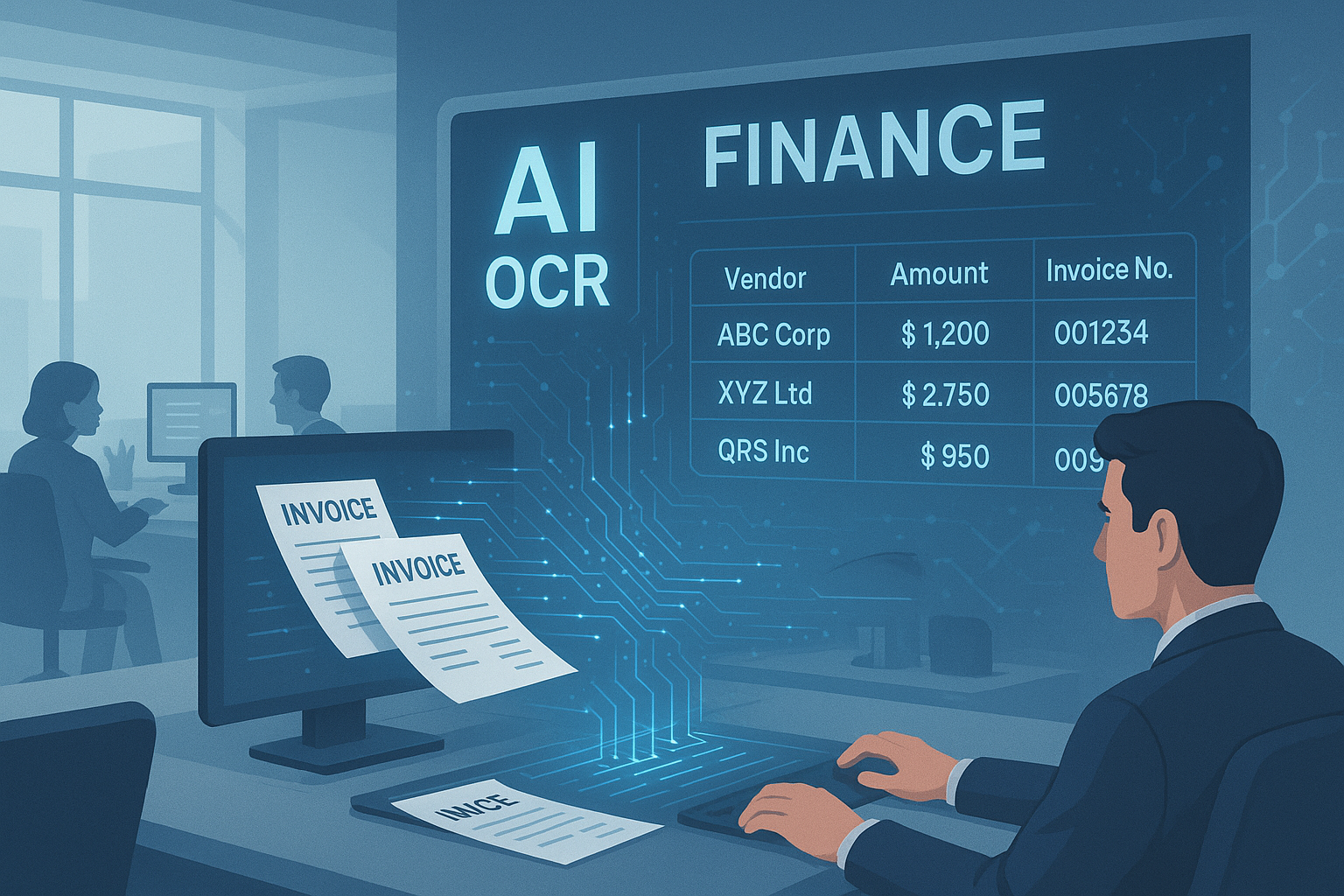
Cap Table Document Automation: Closing the Paper Gap
A cap table can balance perfectly on screen and still overstate one investor's shares by tens of thousands, because nothing forces it to match the paper.
Frequently Asked Questions
Common questions about our legal document OCR technology and implementation.
Automate Your Legal Document Review Today
Transform your legal operations with AI-powered document processing that saves time, reduces risk, and improves accuracy.